Shopping for a home in Ballwin and wondering if your dream property will require a jumbo mortgage? You are not alone. West County’s mix of newer construction, larger lots, and upgraded homes means some buyers cross the line where conforming loans stop and jumbo financing begins. In this guide, you will learn what a jumbo loan is, how to tell if you will need one in Ballwin, what lenders expect, and practical steps to get ready with confidence. Let’s dive in.
Jumbo loan basics
A jumbo loan is a mortgage that is larger than the conforming loan limit set each year by the Federal Housing Finance Agency. Conforming loans can be purchased by Fannie Mae and Freddie Mac. Anything above that limit is considered a jumbo loan and follows different lender rules. You can review the current threshold on the FHFA conforming loan limits page.
Two quick reminders:
- Limits change annually, so verify the current year before you decide on a financing path.
- High-cost area exceptions exist in some parts of the country. St. Louis County is typically treated as a standard area, but confirm your county designation if you are close to the limit.
For a consumer-friendly overview of how jumbos differ from conforming loans, see the CFPB’s guide to jumbo loans.
Do Ballwin homes trigger jumbos?
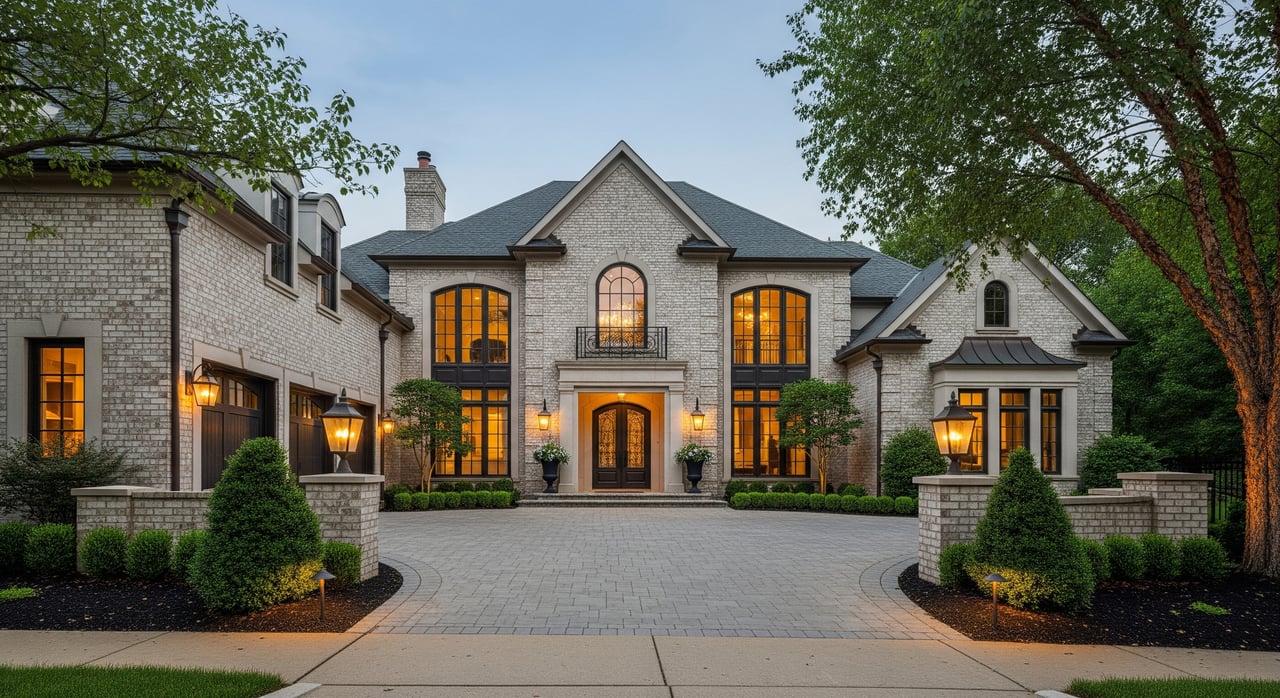
Ballwin and nearby West County suburbs include neighborhoods where list and sale prices may lead to loan amounts above the conforming limit, depending on your down payment. You will see this more often in luxury subdivisions, newer builds, and extensively remodeled homes in areas like Chesterfield, Town and Country, Wildwood, Manchester, and Ellisville.
Quick self-check
- Look up recent sales for the specific neighborhood you are targeting.
- Estimate your likely mortgage by subtracting your planned down payment from the expected purchase price.
- If that mortgage amount exceeds the current FHFA conforming limit, you are in jumbo territory.
Where to find reliable pricing
- St. Louis REALTORS and the local MLS offer the most accurate snapshots of West County pricing.
- St. Louis County recorder or assessor records confirm closed sale prices.
- Third-party sites can provide quick neighborhood snapshots, but always confirm with MLS or county data.
What lenders will look for
Jumbo underwriting is often more detailed than conforming. Expect the following:
- Down payment and LTV: Many lenders want 10 to 20 percent down for smaller jumbo amounts. Higher loan sizes can require 20 to 30 percent or more, depending on your profile and the property.
- Credit score: Stronger credit is common. Many lenders look for scores in the mid-700s or higher for the best pricing. Some accept lower scores with pricing adjustments.
- Debt-to-income ratio: Lenders may target lower DTIs or ask for more reserves, though some allow higher DTIs with compensating factors.
- Cash reserves: Plan for 6 to 12 months of PITI in reserves, and sometimes more for very large loans or non-owner-occupied properties.
- Asset documentation: Provide detailed statements for bank, investment, and retirement accounts and document the source of your down payment.
- Employment and income: You will typically provide W-2s, recent pay stubs, and often two years of returns. Self-employed buyers may need two years of returns, a profit-and-loss statement, or alternative documentation programs.
- Appraisals and property eligibility: Unique homes, large acreage, and complex condo projects can require additional appraisal review or stricter acceptance criteria.
Jumbo loan options
- Fixed-rate jumbos: 15-, 20-, or 30-year fixed terms. Popular for primary residences.
- Adjustable-rate jumbos: ARMs with an initial fixed period like 5/1 or 7/1, often used by buyers who expect to refinance or sell in a few years.
- Portfolio loans: Kept on a lender’s books. These may offer flexible underwriting but can come with higher rates.
- Non-QM alternatives: Bank-statement or asset-depletion programs for buyers who do not fit standard income documentation.
- Piggyback structures: Combinations like 80-10-10 or a HELOC second to reduce the first-lien size. Availability varies by lender.
Rates, costs, and PMI
- Rates: Jumbo rates can be slightly higher than conforming or very competitive, depending on market conditions. Spreads change with liquidity and investor demand, so it pays to compare quotes.
- Pricing factors: Loan amount, down payment, credit score, property type, and documentation program all influence your rate and fees.
- PMI: Standard PMI is common on conforming loans with less than 20 percent down. Many jumbo programs avoid PMI altogether and instead require a larger down payment or additional reserves.
- Closing costs: Appraisals, third-party reports, and risk-based fees can make closing costs higher for jumbos. Seller concessions and lender credits may be available but can affect pricing.
Appraisals and property factors in West County
High-end and one-of-a-kind homes in Ballwin and neighboring suburbs often require careful appraisal work. If comparable sales are limited, an appraiser may need to pull comps from a wider area or request supporting documentation. Condo projects can face closer scrutiny for reserves, litigation, and investor concentration. If you are considering a unique home or condo, verify eligibility and appraisal expectations early.
Where to apply in St. Louis County
- National mortgage banks: Broad product menus and competitive tech, sometimes tighter overlays.
- Regional banks and credit unions: Portfolio jumbo options and relationship-based flexibility.
- Mortgage brokers: Access to multiple wholesale lenders, helpful for specialized jumbo products.
- Local community banks: Portfolio loans with local underwriting that can move quickly for unusual scenarios.
A simple prep checklist
- Verify the current FHFA conforming loan limit and confirm St. Louis County’s designation for the year.
- Review neighborhood pricing in Ballwin with MLS or St. Louis REALTORS data to see if your loan size will be jumbo.
- Get prequalified or preapproved with at least two lenders that actively originate jumbos. Include one local bank or credit union and one national lender or broker.
- Gather documents: two years of tax returns if self-employed, W-2s, recent pay stubs, bank and investment statements, and explanations for large deposits.
- Ask about reserves, down payment options, rates, fees, and any condo or appraisal requirements.
- If you are buying a unique home or condo, confirm early that the property meets lender guidelines.
- Compare the total cost across offers, not just the rate. Consider lock terms and the underwriting timeline.
Ready to move forward?
When your dream home may require jumbo financing, preparation is everything. A clear plan, strong documentation, and the right lender partners help you compete and close with confidence. If you want a local, concierge approach to finding the right home and coordinating a smooth financing process, connect with The Monschein Team. We will help you align neighborhood insights, pricing data, and trusted lender introductions so you can buy with clarity and peace of mind.
FAQs
How do I know if my Ballwin purchase needs a jumbo loan?
- Compare your expected mortgage amount to the current FHFA conforming loan limit. If the mortgage exceeds the limit, you will likely need a jumbo loan.
Are jumbo loans always more expensive than conforming loans?
- Not always. The difference depends on market conditions, your credit, down payment, property type, and the lender. Sometimes jumbo rates are close to or match conforming.
Can I get a jumbo loan with 10 percent down in West County?
- Some lenders offer 10 percent down for strong borrowers, but many require 20 percent or more as loan sizes increase. Expect higher reserve requirements with lower down payments.
Do jumbo loans require PMI for Ballwin buyers?
- Most jumbo programs do not use standard PMI. Lenders often require a larger down payment or additional reserves instead.
What should self-employed Ballwin buyers know about jumbos?
- Plan for two years of tax returns, a profit-and-loss statement, and detailed bank statements. Non-QM options like bank-statement loans may be available with different pricing.
How long does a jumbo loan take in St. Louis County?
- Timelines can mirror conforming loans but may extend for complex properties, uncommon documentation, or special condo reviews. Strong preapproval helps shorten the process.