
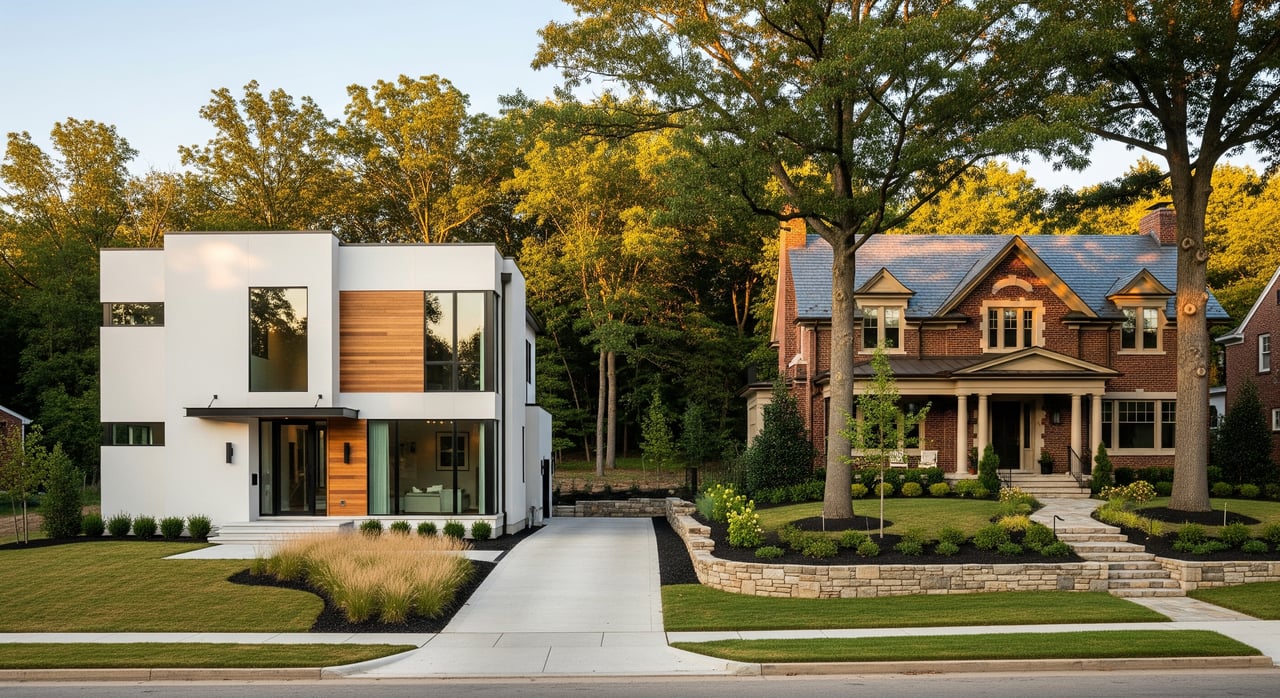
Trying to decide between a brand-new build and a resale home in Wildwood? You are not alone. Many buyers here weigh modern features and warranties against mature lots and immediate move-in. This guide walks you through how the Wildwood market shapes your choice, what to expect with costs and timelines, how financing and inspections differ, and a practical checklist to compare options side by side. Let’s dive in.
How Wildwood shapes your choice
Wildwood stretches across a large area of western St. Louis County, with rolling topography, wooded tracts, and significant open space. You will find a mix of low-density neighborhoods and newer subdivisions, which makes lot size, privacy, and access to trails and parks common priorities. Much of Wildwood falls within the Rockwood School District boundaries, and school assignment often plays a major role in buyer decisions.
Utilities vary by area. Some neighborhoods are on municipal water and sewer, while others rely on wells and private septic systems. Site conditions like slope, tree cover, road access, and drainage can influence buildability and long-term maintenance. City planning and zoning aim to preserve a rural and low-density feel, which can limit where large-scale new development goes and can impact lot availability and pricing.
New construction: what to expect
Key benefits
- Modern building codes and energy efficiency generally lower utility use compared to older homes. Look for features like high-performance windows, improved insulation, and efficient HVAC and appliances.
- You can customize finishes and often tweak layouts, depending on the builder and the stage of construction.
- New roofs, mechanicals, and finishes usually mean lower maintenance for the first few years.
- Builder warranties are common. Many include workmanship coverage and separate manufacturer or structural protections. Terms vary, so review coverage length and claims processes closely.
Costs to factor in
- New builds often carry a higher price or price per square foot, especially with a desirable lot. Lot premiums can rise for ridge views, larger acreage, or mature trees.
- Base prices typically exclude popular upgrades. Cabinetry, flooring, countertops, lighting, and appliance packages can add up quickly. Compare an all-in completed price to a resale with similar finishes.
- Landscaping and street presence take time to mature. You may start with a minimal yard and fewer trees than you see in established neighborhoods.
- Many new subdivisions include HOAs with design covenants, architectural review, and rules that affect exterior changes, fencing, and sometimes rentals. Consider fee amounts and restrictions.
- Site work can add cost. Depending on the lot, grading, retaining walls, septic or well installs, and driveway or sidewalk work may be your responsibility.
Process and timeline
Build timelines can run several months to a year or more. Weather, material supply, and permitting can cause delays. Plan for timing flexibility and talk with your lender about rate-lock options that match your build schedule.
What to verify with your builder
- Detailed inclusions versus upgrades and the price for each
- Warranty terms, coverage periods, and how to submit claims
- Energy-efficiency features and expected utility costs
- Landscaping and exterior completion details, including sod, seeding, and tree replacement
- Lot drainage, grading, and any conservation or drainage easements
- Change-order rules and how added costs are handled
- Build timeline, milestones, and remedies if delays occur
Resale homes: what to expect
Key benefits
- Mature trees and landscaping deliver immediate curb appeal and privacy.
- You can move in on a normal closing timeline and settle into an established area.
- Depending on the market, sellers may negotiate on price, repairs, or closing costs.
- The home’s condition and maintenance history can help you forecast near-term repairs and updates.
Common trade-offs
- Older roofs, windows, HVAC, plumbing, and electrical may need replacement sooner. Budget for inspections and likely upgrades.
- Energy efficiency may lag newer builds unless the home has been updated.
- Hidden issues can surface, such as drainage challenges, structural concerns, mold, or pests. Strong contingencies and inspections are essential.
- Floor plans may be less open or flexible. Major reconfigurations require time and renovation budgets.
Due diligence in Wildwood
- Confirm utilities. Some properties use private septic and wells. Ask for septic permits, pump records, and any maintenance documentation, and consider well water testing.
- Review any conservation, drainage, or access easements on larger or wooded lots.
- For homes built before 1978, be aware of the potential for lead-based paint. Older properties can also have outdated electrical components.
Financing and contracts
How loans differ
New builds often use construction-to-permanent loans or builder financing programs. These typically fund draws during construction and may require interest-only payments until completion, then convert to a standard mortgage. Resale purchases usually follow a traditional mortgage timeline with one closing.
Appraisals and price gaps
Appraisals for new homes can be challenging if most nearby sales are resales or if upgrades push the contract price above comparable properties. Plan for potential appraisal gaps and discuss strategies with your lender and agent, including extra cash or contract adjustments if needed.
Rate locks and timing
Because build timelines are longer, speak early with your lender about extended rate-lock options and how to handle delays. Builder-affiliated lenders may offer incentives that can help with timing.
Contracts and representation
Builder contracts differ from standard resale agreements. Pay special attention to change orders, completion dates, liquidated damages, and warranty obligations. Even when a builder has on-site sales staff, consider having your own buyer’s agent to help negotiate, review terms, and protect your interests. For resales in Missouri, review seller property disclosures and include inspection contingencies.
Inspections you should not skip
- Resales: Order a general home inspection, termite or pest inspection, and consider radon testing, which can be relevant in the St. Louis area. If applicable, add a sewer scope and specialized inspections for roofing or foundations.
- New builds: Hire an independent inspector for key stages. Pre-drywall, pre-final, and final walkthrough inspections help catch issues early and support warranty requests.
- Septic and wells: For properties with private systems, include septic inspections, pump records, and well water testing.
Cost comparison checklist
Use this list to compare an all-in new build price to a resale’s true cost:
- Purchase price plus upgrades or renovations
- Lot premium, site work, driveway, sidewalks, and landscape completion
- Window coverings and appliance upgrades not included in base pricing
- Immediate maintenance on resales, such as roof, HVAC, or windows
- Property taxes and insurance by year built and features
- HOA dues, possible special assessments, and maintenance obligations
- Estimated utility costs based on energy features and past usage
- Occupancy timeline and contingencies for delays
- Financing structure and any appraisal-gap risk
- Resale marketability, including neighborhood comparables, school assignments, and street appeal
Decision framework
Clarify your priorities
- Timeline: Do you need to move soon, or can you wait for construction?
- Customization: Do you want to select finishes now, or would you rather renovate later?
- Budget: What is your maximum all-in number, including upgrades or repairs?
- Risk tolerance: Are you comfortable managing build delays, or do you prefer known conditions with a resale?
- Lifestyle: Do you prefer mature trees and larger lots, or modern layouts and new systems?
- Schools and location: Do specific boundaries or commute patterns guide your search?
Quick compare
- New construction could fit if you want modern codes, energy efficiency, and the ability to personalize finishes, and you can handle a longer timeline and a detailed upgrade process.
- Resale could fit if you want immediate occupancy, mature landscaping, and established surroundings, and you can budget for inspections and near-term maintenance.
How The Monschein Team helps
Choosing between new and resale in Wildwood takes local insight and a steady process. Our team supports you with buyer representation for both pathways, including neighborhood and school orientation, builder and contract guidance, and a trusted vendor network for inspections, septic and well evaluations, and renovations. We help you price out true all-in costs, negotiate upgrades or repairs, and manage each step to keep your move on track.
Ready to compare your options in Wildwood? Request a complimentary home consultation and personalized market plan with The Monschein Team.
FAQs
Should I waive inspections on a new build in Wildwood?
- No. Independent inspections at stages like pre-drywall and final help catch issues, document punch lists, and support warranty claims.
Do builders in Wildwood negotiate on price or upgrades?
- Often yes. There may be room on upgrades, closing costs, or lot premiums depending on market conditions. An experienced buyer’s agent can help structure requests.
What warranties are typical for new construction?
- Builders commonly provide workmanship coverage and longer structural warranties, plus manufacturer warranties on systems and appliances. Always confirm terms and timelines.
How do construction loans differ from a standard mortgage?
- Construction loans fund the build in draws and may be interest-only until completion, then convert to a permanent loan. Resale purchases usually use a single standard mortgage.
How do I estimate a resale home’s true cost in Wildwood?
- Order thorough inspections, gather estimates for repairs or updates, review tax history, and budget for immediate maintenance alongside your purchase price.
Are new homes always more energy efficient?
- New builds typically meet current codes and use newer systems, which can improve efficiency. Confirm specific insulation, window, HVAC, and appliance ratings with the builder.