
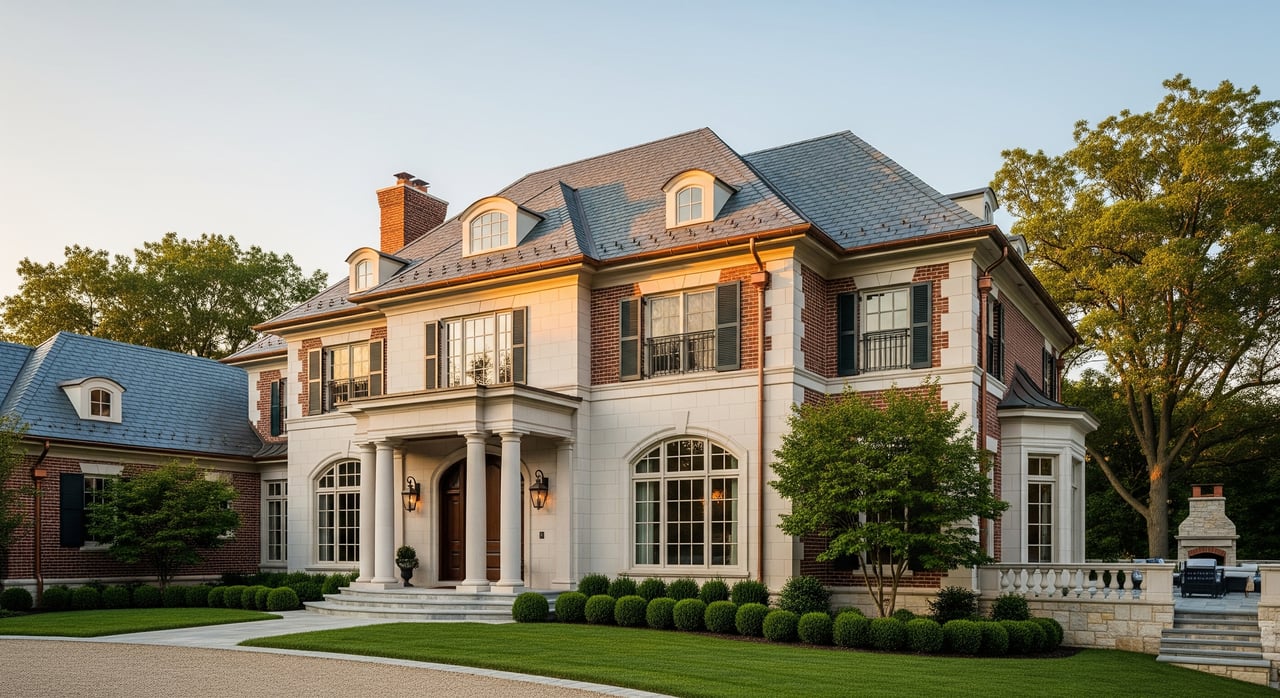
Are you wondering how to price your Chesterfield luxury home so you do not leave money on the table or sit for months without offers? Pricing at the top end is complex, and the stakes are high. You want a clear plan, grounded in local data and tailored to your property’s unique features. This guide gives you a practical framework you can follow, from defining your market to setting a launch strategy and review timeline. Let’s dive in.
What “luxury” means in Chesterfield
Luxury is local. Instead of a national dollar cutoff, think of luxury as the top 5 to 10 percent of recent sales in your immediate market. In Chesterfield and nearby west county communities, that pool includes custom homes, estates on larger lots, and properties near golf and country club amenities.
Demand often comes from executives and professionals who value privacy, thoughtful design, and convenience to employment centers, interstates, and the airport. Your pricing should reflect this micro-market and the features these buyers prioritize.
Your pricing framework
Define your market slice
Start by narrowing your micro-market. Chesterfield has varied pockets, from established neighborhoods to newer high-end subdivisions and properties near Chesterfield Valley. Compare your home to listings and recent sales that share similar location traits, lot style, and access to amenities.
Build a short list of recent closed sales, current active listings, and any pending or private sales your agent can verify. Focus on the last 6 to 12 months for the best read on today’s demand.
Build a precision CMA
A comparative market analysis is your core pricing tool. Choose comparables based on:
- Geographic proximity and micro-market similarity.
- Lot size, topography, privacy, and any floodplain considerations.
- Functional layout and utility, including bedroom and bathroom count, guest spaces, and elevator access.
- Year built, level of updates, and mechanical systems.
- Unique amenities like pools, wine storage, theater rooms, smart-home systems, and climate-controlled garages.
At the luxury level, make thoughtful adjustments for time, condition, and amenities. Older sales can be useful with careful, transparent adjustments.
When comps are thin
If your home is truly unique, supplement the CMA with a cost-based view. Estimate replacement cost for the structure and major amenities, include land value, and factor in depreciation. A consultative appraisal can add objectivity and help anticipate lender appraisals if your buyer uses a jumbo loan.
Quantify high-end features
Some features do not fit neatly into price per square foot. To capture their value:
- Use matched pairs. Compare a recent sale with a pool or guest house to a similar home without it, then estimate the difference.
- Reference replacement cost. Get quotes or use recent invoices for outdoor kitchens, pool houses, custom millwork, or advanced HVAC.
- Apply reasonable depreciation. Older systems or finishes contribute value, but not at full cost.
- Document everything. Receipts, specs, warranties, and builder lists support higher pricing and help appraisers.
Be careful with price per square foot
Price per square foot is a blunt tool in the luxury tier. Custom design, lot quality, and specialty spaces often drive more value than raw size. Use it as a secondary reference, not your lead metric.
Organize your evidence
Prepare a property data packet you can share with buyers and appraisers. Include floor plans, surveys, upgrade histories with receipts, mechanical service records, HOA or club documents if relevant, and utility averages. Strong documentation supports your price and smooths underwriting.
Strategy: set, test, and adjust
Pick your objective
Decide what matters most: top-dollar or speed. A higher list price can shrink the buyer pool and lengthen days on market. A competitive price can expand exposure and create urgency. Align your target price to your goal and the current inventory trend in your micro-market.
Respect search thresholds
Identify the price bands buyers commonly filter by in your area. Strategic pricing just below a major threshold can increase your listing’s visibility. Anchors matter at the high end because the buyer pool is smaller.
Launch with a review plan
Plan an initial pricing window and pre-set check-ins. A common cadence is a 14 to 30 day review, then additional checkpoints at 60 and 90 days. Use real signals, not just time elapsed:
- Showings and qualified inquiries.
- Feedback on price vs. condition.
- Competitive activity among active listings.
- New closed comps that reset the bar.
If traction is light and feedback centers on price, adjust with intention. If traffic is strong but offers are thin, improve presentation or value communication before cutting price.
Pocket listing or MLS
An off-market strategy can protect privacy and allow targeted outreach to qualified buyers and agents. The tradeoff is fewer competing offers and less price transparency. One option is a phased approach: start with private marketing, then go public on the MLS if you want broader exposure.
Incentives vs. price cuts
Incentives like rate buy-downs, closing cost support, or flexible possession can solve buyer affordability issues without changing list price. Use them carefully. Some buyers read incentives as a signal to push harder on price.
Prepare for appraisal gaps
Luxury purchases sometimes involve jumbo financing and a conservative appraisal. Reduce risk by preparing a comp package, upgrade documentation, and, if needed, a pre-listing appraisal. Being ready helps you defend your price and avoid last-minute renegotiation.
Prep and marketing that protect price
High-ROI pre-list investments
Focus on updates that change first impressions:
- Fresh paint, updated hardware, lighting, and landscaping.
- Address deferred maintenance and obvious condition items.
- Targeted kitchen or bath refreshes if your finishes feel dated.
- Replace aging mechanical systems that worry high-end buyers.
Get contractor bids and weigh costs against premiums achieved by recently updated homes in your micro-market.
Staging and presentation
Professional staging for luxury homes is about flow, lifestyle, and functionality. Pair it with high-end photography, twilight and drone images, 3D tours, and cinematic video. Many luxury buyers start their search online and expect this level of presentation.
Targeted exposure
In addition to the MLS, use private broker tours, relocation networks, and targeted regional placement. Provide a thorough property packet so decision makers and advisors can evaluate details without delay.
Timing and seasonality
Suburban luxury activity often builds in spring, especially for buyers planning around the school calendar. While every year is different, launching when your ideal buyer pool is most active gives your pricing strategy the best chance to succeed.
Chesterfield-specific considerations
Chesterfield sits in west St. Louis County and draws buyers who compare it with nearby communities like Town and Country and Clarkson Valley. Many high-end homes here feature larger lots, custom builds, and proximity to country clubs, parks, and Chesterfield Valley conveniences. Privacy, outdoor living spaces, and easy highway access are frequent decision points.
Lot characteristics can be decisive. Premium siting, cul-de-sac locations, and usable acreage often carry meaningful value. If your property is near river corridors, confirm any floodplain status early and be ready with documentation.
A clear 30-60-90 day plan
Use a simple timeline to keep your pricing strategy on track.
- Day 0 to 14: Launch with full marketing. Track qualified showings, feedback on condition and price, and how you stack up against similar actives. Tweak presentation and marketing channels if needed.
- Day 15 to 45: Reassess against any new pendings and closed sales. If traffic is below expectations or feedback points to price, consider a measured adjustment or added buyer incentives.
- Day 46 to 90: Reposition decisively if the market has moved or better comps have reset expectations. Refresh visuals and listing copy to highlight updates, new documentation, or seasonal photography.
How The Monschein Team helps
You deserve a pricing plan backed by deep local knowledge and premium execution. The Monschein Team pairs decades of west county experience with a team-based process that keeps your sale moving from prep through closing.
Here is how that supports your price:
- Concierge preparation. Vendor coordination for updates, repairs, staging, and pre-sale inspection.
- Precision pricing. Micro-market CMA, consultative appraiser connections, and documented upgrade valuations.
- Premium marketing. Professional photography, video, 3D tours, floor plans, and targeted outreach to qualified buyers and relocation networks.
- Confident negotiation. A clear strategy for offer review, appraisal support, and timeline management that protects your leverage.
If you are considering a sale, we will design a personalized market plan that fits your goals and timeline.
FAQs
What defines a luxury home in Chesterfield?
- Luxury is the top 5 to 10 percent of recent local sales, based on your immediate micro-market, not a fixed national price.
How should I pick comparables for a Chesterfield estate?
- Choose nearby sales with similar lot characteristics, layout, updates, and amenities, then apply careful time and feature adjustments.
Is price per square foot useful for luxury homes?
- It can be a secondary check, but custom design, lot quality, and specialty spaces often matter more at the high end.
What if I have unique features and few comps?
- Use a cost-based view, matched-pair analysis for key amenities, and consider a pre-listing appraisal to support pricing.
Should I consider a pocket listing for privacy?
- It can protect privacy but may reduce competition. A phased plan that starts private, then moves to MLS, balances both goals.
How do I avoid appraisal issues with a jumbo buyer?
- Prepare a comp package, upgrade documentation, and engage an appraiser early if needed to align expectations.
Ready to price with confidence and bring the right buyers to your door? Request your complimentary consultation with The Monschein Team for a personalized market plan tailored to your home and goals.