
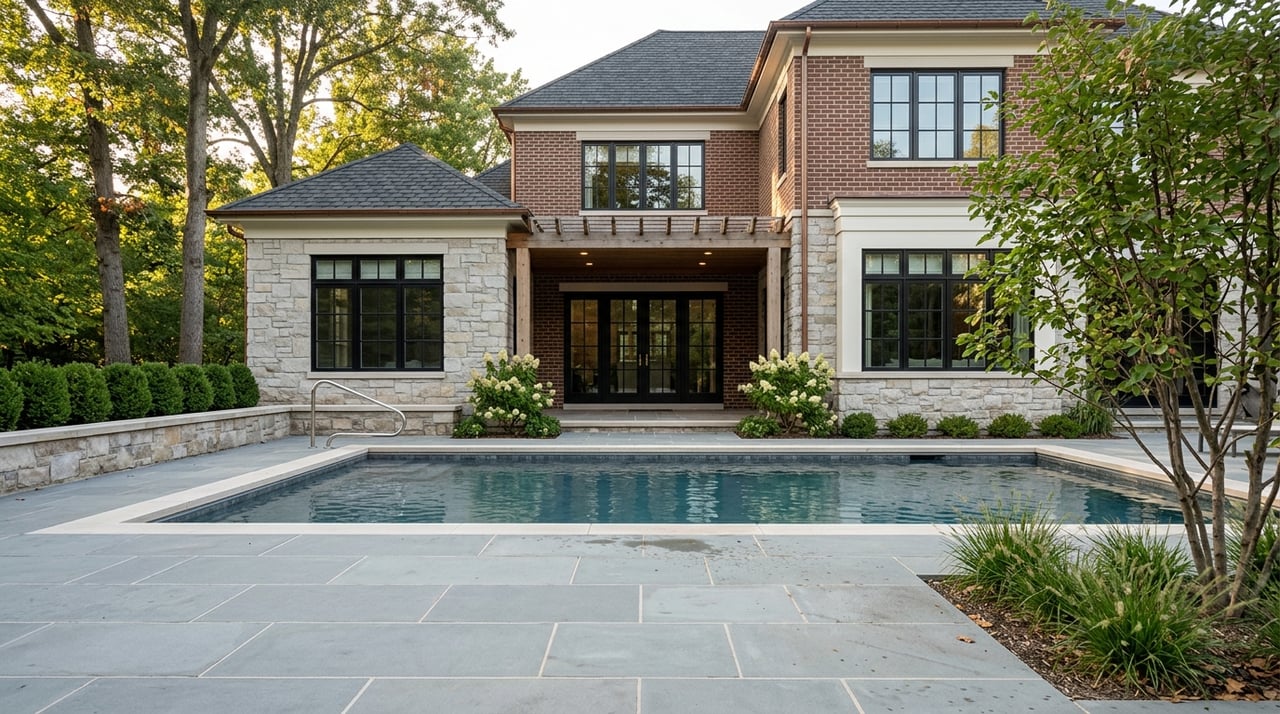
Planning a pool, adding a fence, or thinking about solar on a Wildwood home? Before you line up contractors, it helps to know how neighborhood rules and city approvals shape what you can build. If you understand the steps up front, you can save time, avoid surprises, and keep your investment protected. In this guide, you’ll learn how HOAs and city design review work in Wildwood, what restrictions you’ll likely see, realistic timelines, and a simple checklist to use before you buy or renovate. Let’s dive in.
How HOA and city rules work in Wildwood
In many Wildwood neighborhoods, recorded covenants and a homeowners association guide exterior changes and property use. You can look up trustee contacts on the City’s voluntary Subdivision Trustees registry to find the right point of contact for questions and documents. The City also requires trust indentures when a subdivision has common ground or private streets, and those indentures are recorded with the county. The framework is designed so your neighborhood has the tools to maintain shared areas and enforce design standards.
HOA rules sit alongside city and county codes. For projects like pools, additions, or grading changes, you will likely need both HOA approval and municipal permits. Many HOAs ask you to submit proof of permits with your architectural application, and they will want site plans and material details so they can confirm the project fits the community’s guidelines. That dual-review process helps keep neighborhoods consistent while meeting safety and building standards.
Recorded covenants and plats are public documents. You can confirm what runs with the land by reviewing the records at the St. Louis County Recorder of Deeds. If you are evaluating a specific subdivision, ask the seller, trustees, or management company for the recorded CC&Rs, bylaws, and any architectural guidelines before you commit.
- Check trustee contacts on the City’s Subdivision Trustees page for help locating HOA documents. (City of Wildwood Subdivision Trustees)
- Review the City’s trust‑indenture requirement for subdivisions with common ground. (Chapter 420: Trust Indentures)
- See guidance on finding recorded documents through the Recorder of Deeds. (How to find recorded documents)
Architectural review in practice
Private HOA architectural review
Most subdivisions create an Architectural Review Committee to oversee exterior changes. A complete application usually includes a site plan, drawings or elevations, materials and color information, contractor details, and sometimes neighbor notification. Some committees outline quick turnaround times. For example, one Wildwood subdivision states it will decide within 7 days of a complete application and offers a short appeal path to the trustees if needed. Starting work without approval can trigger fines or a requirement to restore the prior condition, so it pays to apply early. (See an example process and checklist in the Winding Woods guidelines.)
- Example of HOA submittal needs, timelines, and enforcement. (Winding Woods ACC Guidelines)
City Architectural Review Board
The City of Wildwood’s Architectural Review Board applies primarily in the Town Center and non-residential contexts. It does not usually review single-family homes outside the Town Center, where HOA committees handle design control. When the City ARB does apply, plan sets are due in advance and the process is more formal, which can extend timelines compared with a typical subdivision review.
- Where and how City ARB review applies. (Wildwood Architectural Review Board)
Common design rules you will see
Pools
You will often see requirements that pools sit behind the home, be fenced with self-latching gates, and have lighting directed away from neighbors. Expect to provide proof of city or county permits in addition to HOA approval. This keeps safety and privacy top of mind while coordinating with local code.
- Typical rules and permit expectations. (Winding Woods ACC Guidelines)
Fences
Common limits include maximum height, approved materials, and where a fence can sit on the lot. Many neighborhoods restrict chain-link and similar materials, and they often do not allow fences in the front setback. If you need a dog run or privacy screening, confirm the material and placement rules before you buy or build.
- Height and material examples. (Winding Woods ACC Guidelines)
Storage sheds and outbuildings
Some subdivisions prohibit storage sheds outright, while others require matching materials and careful placement. If you plan to add a detached storage space or a small workshop, review your HOA’s exact language to avoid conflicts.
- Example of shed restrictions. (Winding Woods ACC Guidelines)
Exterior materials, colors, and rooflines
HOAs often require additions and exterior updates to match or complement existing materials and neighborhood character. That can include siding type, roofing material, paint colors, and window styles. These rules help new work blend seamlessly with your home and the street.
- Material and color guidance examples. (Winding Woods ACC Guidelines)
Solar panels
Some older covenants listed “exterior solar collectors” as prohibited, but Missouri law protects your right to rooftop solar. The Missouri Supreme Court confirmed that covenants cannot ban rooftop solar, though HOAs may adopt reasonable placement rules that do not impair function or increase cost. If solar is important to you, review both the recorded documents and any updated placement rules.
- Statutory protection for rooftop solar. (Missouri statute on signs and related rules)
- Recent Missouri Supreme Court decision. (Eikmeier v. Granite Springs, 2026)
Political signs and flags
Missouri law prevents deed restrictions from prohibiting political signs. Your HOA can set reasonable rules on size, number, timing, and placement, but it cannot ban them outright. If you plan to display signs during an election season, review your HOA’s specific guidelines for size and timing.
- Statutory protections and limits. (RSMo § 442.404)
Short-term rentals and leasing
Leasing rules vary by subdivision and may restrict short-term rentals. One Wildwood community adopted a policy requiring minimum 12‑month leases and disallowing short-term rentals, with fines for violations. If rental flexibility matters to you, review the governing documents and ask about enforcement history.
- Example leasing policy and documents. (Wildwood Acres documents)
Timelines, costs, and enforcement
Timelines can range from a week to several months depending on the scope and who reviews the plans. Some HOA committees target quick reviews once an application is complete, including short, built-in appeal windows. City ARB reviews for Town Center or larger projects require early plan submissions and multiple sets, which can lengthen schedules.
- Example 7‑day HOA review and appeal structure. (Winding Woods ACC Guidelines)
- City ARB application timing and submittal steps. (Wildwood Architectural Review Board)
Costs vary by community. Annual HOA dues in some single-family neighborhoods are modest, and some associations collect deposits for construction impacts or charge application fees. If you are buying a condominium, expect a formal resale certificate and a fee for the packet. Non-condo HOAs may also charge a transfer or estoppel fee at closing.
- What to expect in resale certificates and fees. (Missouri resale certificate overview)
HOAs have several enforcement tools. If work starts without approval or violates rules, the association may fine, require restoration, and recover enforcement costs per its governing documents. Following the stated application and appeal process helps you avoid fees and delays.
- Enforcement provisions in a local example. (Winding Woods ACC Guidelines)
Buyer checklist for Wildwood neighborhoods
Use this quick list to confirm a home fits your plans:
- Get the recorded CC&Rs, declaration, and any trust indenture. Read the sections on architectural control, leasing, and assessments. (How to find recorded documents)
- Ask for HOA bylaws, rules, architectural guidelines, and the application form. Use the City’s trustee registry to locate management or board contacts. (Subdivision Trustees registry)
- If the property is a condo, review the statutory resale certificate and budget details, including any special assessments. (Missouri resale certificate overview)
- Review recent HOA minutes for enforcement actions or upcoming capital projects that could affect you. (Wildwood Acres documents)
- Verify rules you care about, such as pools, fences, sheds, exterior colors, driveway materials, boat or RV parking, solar, and leasing. Note any recent updates in response to state law or court rulings. (Eikmeier v. Granite Springs, 2026)
- Confirm whether the HOA is self-managed or uses a management company, and how to request a resale or disclosure packet. (Subdivision Trustees registry)
- Check city and county permit needs for your project and whether the HOA requires permit copies and grading or drainage plans. (Winding Woods ACC Guidelines)
Make your plans work in Wildwood
When you match your home goals to a subdivision’s rules, you reduce risk and keep your timeline on track. Start by collecting the key documents, clarifying the steps with your HOA, and building a realistic schedule that includes both HOA and city reviews. If you want local, hands-on guidance from a team that understands Wildwood communities and approvals, reach out to The Monschein Team for help aligning your plans with the right property and neighborhood.
FAQs
In Wildwood, how do HOA rules interact with city permits?
- You usually need both: HOA approval confirms compliance with neighborhood standards, and city or county permits cover building and safety codes.
Do single-family homes in Wildwood go to the City ARB?
- Most single-family projects outside the Town Center are reviewed by the subdivision’s HOA, not the City ARB, while Town Center or non-residential sites follow City ARB review.
Can my HOA stop me from adding rooftop solar?
- Missouri law and a recent Supreme Court decision prevent blanket bans on rooftop solar, though HOAs can set reasonable placement rules that do not reduce performance or raise costs.
How long does an HOA architectural review take?
- Timelines vary by community. Some HOAs decide within about a week once your application is complete, while city ARB reviews require earlier, formal submittals that extend timing.
What documents should I request before buying in an HOA?
- Ask for recorded CC&Rs, bylaws, architectural guidelines, application forms, recent meeting minutes, and any resale or disclosure packet that outlines dues, budgets, and rules.